How Many Hi-Vis Vests Should You Order? Spares, Sizes and Reorders
Order one hi vis vest for every daily wearer, then add spares for visitors, new hires and damaged vests, split by role and size. Custom Hi-Vis Vests starts at a minimum of 12, sends a free mockup within 24 hours and ships in about 2 weeks, so you can stage reorders instead of overbuying one large batch.

- Minimum order is 12 hi vis vests
- Free mockup within 24 hours
- Standard turnaround about 2 weeks after approval
- Mix sizes and vest styles in one order
- Pay nothing until you approve the design
How many hi vis vests should a crew order for the first run?
Order one hi vis vest for every person who works on site, then add spares for visitors, new hires and damaged vests. Custom Hi-Vis Vests starts at a minimum of 12, so even a small crew can order a branded run without overbuying. The right total is less about headcount alone and more about how your people actually use, lose and wear out their vests.
Start with a roster, not a guess. List every role that steps onto a jobsite, a roadway, a loading dock or an event floor, and note who needs a vest every shift versus who needs one only some of the time. Supervisors, flaggers and equipment operators wear theirs daily. Estimators, inspectors and office staff may visit only a few times a month, but they still need a compliant vest when they do.
- Daily wearers: one vest each, plus a backup if they work long rotations or wet conditions.
- Occasional site visitors: a shared pool of vests kept in the truck or site trailer.
- Seasonal or temporary workers: a separate count you can reorder when the season starts.
Once those three groups are counted, the first order almost sizes itself.
How many spare hi vis vests should you keep on hand?
Keep enough spare hi vis vests to cover the vests that go missing or get damaged between orders, plus a visitor pool. Most crews lose track of vests faster than they expect: vests get left in personal vehicles, torn on rebar, stained beyond use or carried off by subcontractors. A small spare stock prevents anyone from working without high-visibility apparel while a reorder is in production.
Think about spares in categories rather than a single buffer number:
- Replacement stock: vests held back for torn zippers, damaged reflective tape and heavy soiling. Reflective tape that has cracked or peeled no longer performs as rated, so a damaged vest should come out of service rather than stay on a worker.
- Visitor and inspector pool: vests that live in the site trailer, the gate shack or the front office for owners, engineers and delivery drivers.
- New-hire stock: vests ready for the next person through the door, so onboarding does not stall.
The spare count should follow your own loss history. If you have reordered vests before, look at how quickly the last batch disappeared and plan your spares around that rhythm.

Should different roles get different hi vis vests in the same order?
Yes. Splitting one order into role-specific hi vis vests is often the best way to plan quantity, because each group gets the class and features it needs instead of everyone getting the most expensive option. A single Custom Hi-Vis Vests order can carry the same logo across several vest styles so the crew still looks like one company.
| Role | Common vest choice | Quantity note |
|---|---|---|
| Flaggers and roadway workers | Class 3 or Class 2 roadway vests | Plan backups; roadway vests take the hardest wear |
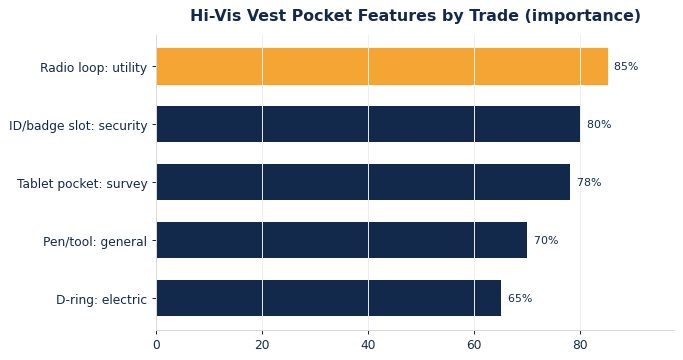
| Supervisors and foremen | Class 2 vests with extra pockets | Smaller count, often a distinct color or back print |
| Surveyors and inspectors | Surveyor-style vests with pockets | Small count; check with the people who wear them |
| Visitors and guests | Simple Class 2 vests in mixed sizes | Shared pool, sized generously |
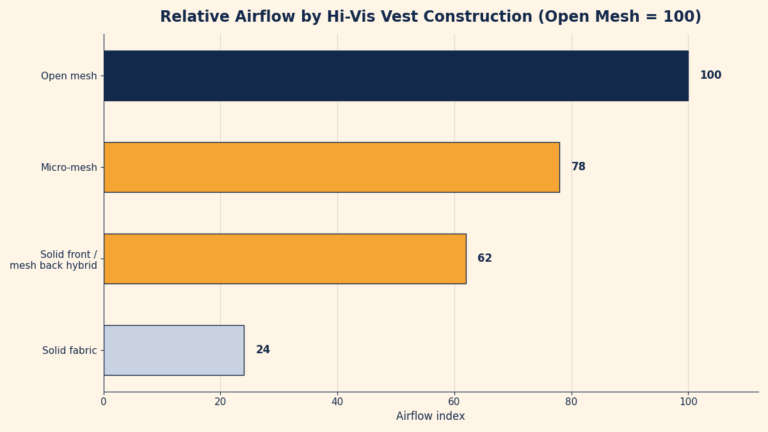
| Warm-weather crews | Mesh vests | Count separately if you rotate by season |
See the Class 3 safety vests and Class 2 safety vests pages to match each group to the right style before you set counts.
How do you split hi vis vest quantities across sizes?
Split hi vis vest sizes by asking each worker, then round the visitor pool toward larger sizes. A vest that is too tight gets left unzipped and a vest that is too loose snags on equipment, so guessing sizes wastes part of the order. Custom Hi-Vis Vests lets you mix sizes within one order, which keeps the run at a single logo setup.
- Collect sizes from daily wearers. A quick form or a sign-up sheet in the site trailer is enough.
- Account for layering. Crews who wear vests over jackets in cold months often need a size up for that season.
- Size the shared pool larger. A larger vest fits over most clothing and fits more visitors than a smaller one.
- Hold a few in the most common sizes. New hires usually land in the middle of the range.
If you are not sure how a particular style runs, ask for guidance when you request your quote. The sizing conversation happens before anything is printed, and the free mockup arrives within 24 hours so you can review the logo and the size breakdown together.
When should you plan the next hi vis vest reorder?
Plan the next hi vis vest reorder before the spare stock runs out, not after. Standard turnaround at Custom Hi-Vis Vests is about 2 weeks after you approve the design, with faster turnaround available through express shipping, so the reorder trigger should leave enough spare vests to cover that window comfortably.
A simple way to stage reorders is to set a trigger point on the spare shelf. When the replacement stock drops to the level you would need to cover roughly two weeks of normal losses, place the next order. Because your approved artwork is already on file, a repeat order skips most of the back-and-forth of the first one.
- Before peak season: road, paving and landscaping crews usually ramp up in spring, so order ahead of the first big hire.
- Before a new contract: a new site or a new client often brings new crew members and new visitors.
- After a vest audit: pull vests with faded fabric or damaged tape and reorder to replace them as a group.
Staging smaller reorders through the year also keeps vests fresher, since stock sitting on a shelf for a long time is not doing anyone any good.
What mistakes lead to ordering too many or too few hi vis vests?
The most common hi vis vest quantity mistake is ordering from headcount alone and forgetting visitors, turnover and damage. The opposite mistake, ordering a huge single batch to avoid reordering, ties up storage space and leaves vests aging on a shelf. Both are easy to avoid with a roster and a reorder plan.
- Forgetting subcontractors and visitors. If they enter your site, they need a vest, and a branded pool keeps your site looking consistent.
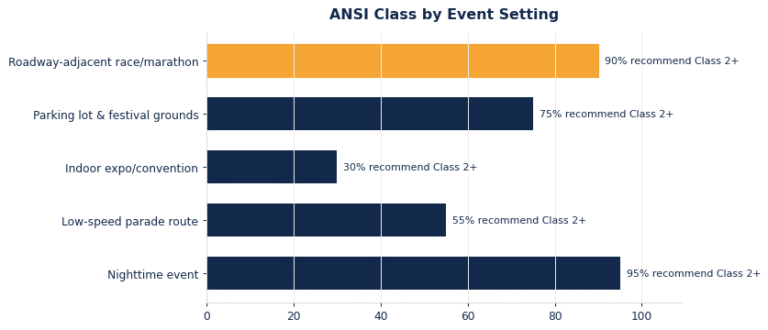
- One class for everyone. Putting office visitors in roadway-grade vests or roadway workers in a lower class both cause problems; match class to role.
- Ignoring seasonal changes. A summer mesh order and a winter oversize order may be separate counts.
- No reorder trigger. Without a set point, crews discover the shelf is empty when a new hire shows up.
- Skipping the size survey. Guessing sizes leaves you with vests nobody can wear.
Walk through the how it works page to see where these decisions fit in the ordering process.
How do you get an accurate quote for the right number of hi vis vests?
Get an accurate quote for hi vis vests by sending your roster split into roles, sizes and spares, along with your logo and where you need the vests delivered. Custom Hi-Vis Vests uses those details to recommend vest styles, return a free mockup within 24 hours and confirm timing before you commit. You pay nothing until you approve the design.
A quote request that includes quantity by vest style gets a far more useful answer than a single total. Note which roles need Class 2 or Class 3, whether any group needs mesh, pockets or a breakaway style, and whether you want a company logo on the chest, a large print on the back or both. Price depends on the vest style, the class, the number of print locations and the total quantity, so the more precise the breakdown, the more precise the quote.
Industry-specific programs, such as hi vis vests for construction companies and hi vis vests for traffic control, show how other crews structure their orders. When your counts are ready, request a custom quote and the team will review the mix with you, with unlimited free revisions on the artwork.
Frequently asked questions
How many hi vis vests should a small crew order first?
Small crews ordering hi vis vests should count every daily wearer, add a backup for anyone on long or wet shifts, and set aside a few for visitors. Custom Hi-Vis Vests has a minimum order of 12, so a small crew can usually cover its daily wearers and a modest spare pool in a single branded run without overbuying.
Should site visitors get branded hi vis vests too?
Branded hi vis vests for visitors make sense whenever owners, inspectors or delivery drivers walk your site. A shared pool kept in the site trailer or gate shack ensures nobody enters without high-visibility apparel, and a matching logo keeps the jobsite looking organized. Size the visitor pool on the larger side so the vests fit over jackets and most body types.
Can one order include hi vis vests in different classes?
One order can include hi vis vests in different classes and styles, such as roadway vests for flaggers and pocketed vests for supervisors. Custom Hi-Vis Vests can apply the same logo across several styles so the crew still looks unified. Splitting the order by role also avoids paying for features that some workers will never use on the job.
How do I collect sizes for a large hi vis vest order?
Collecting sizes for a large hi vis vest order works best with a simple sign-up sheet or online form shared with each crew lead. Ask workers whether they wear the vest over a heavy jacket, because winter layering often calls for a size up. Round the shared visitor pool toward larger sizes so it fits more people.
What should trigger a hi vis vest reorder?
A hi vis vest reorder should trigger when spare stock falls to the amount you would need to cover about two weeks of normal losses. Standard turnaround at Custom Hi-Vis Vests is about 2 weeks after design approval, so ordering at that point keeps replacement vests on the shelf while the new batch is produced.
Is it better to place one big hi vis vest order or several smaller ones?
Several smaller hi vis vest orders through the year usually work better than one oversized batch for crews with steady turnover. Staged orders keep stock fresher, free up storage and let you adjust sizes and styles as the crew changes. A single larger order still suits a fixed crew outfitting a new contract all at once.
Do repeat hi vis vest orders take less work than the first?
Repeat hi vis vest orders are usually simpler because the approved logo placement and vest styles are already on file. Custom Hi-Vis Vests can confirm the earlier artwork, update quantities and sizes, and move the order into production once you approve. Mention any changes, such as a new color or added back print, when you request the reorder.
When should damaged hi vis vests be replaced instead of kept as spares?
Damaged hi vis vests should be replaced when the reflective tape is cracked, peeling or missing, the background fabric has faded noticeably, or the vest is torn or permanently stained. A damaged vest no longer performs the way its rating assumes, so remove it from service rather than holding it as a spare for visitors or new hires.
How should seasonal crews plan hi vis vest quantities?
Seasonal crews should plan hi vis vest quantities as a separate count from year-round staff, ordered shortly before the busy season begins. Landscaping, paving and event crews often hire in waves, so a staged order keeps new workers covered from day one. Consider mesh vests for summer hires and larger sizes for crews layering in colder months.
What details help Custom Hi-Vis Vests quote the right quantity?
Quoting the right quantity of hi vis vests is easiest when you share a breakdown by role, class, style and size, plus your logo and delivery location. Custom Hi-Vis Vests uses that breakdown to recommend styles, send a free mockup within 24 hours and confirm timing. You pay nothing until you approve the final design.
Should subcontractors on my site wear my company's hi vis vests?
Subcontractors wearing your company's hi vis vests is a choice many general contractors make for site control and a consistent look. Planning for them means adding their headcount to the order or keeping a larger visitor pool. If subcontractors bring their own compliant vests, a smaller branded pool may be enough for gaps and newcomers.
Get a free mockup for your hi vis vests
Send your logo or idea and the quantity you have in mind. Custom Hi-Vis Vests returns a free mockup within 24 hours, you approve the design before anything is produced, and standard turnaround is about two weeks with faster options available. Get a custom quote.